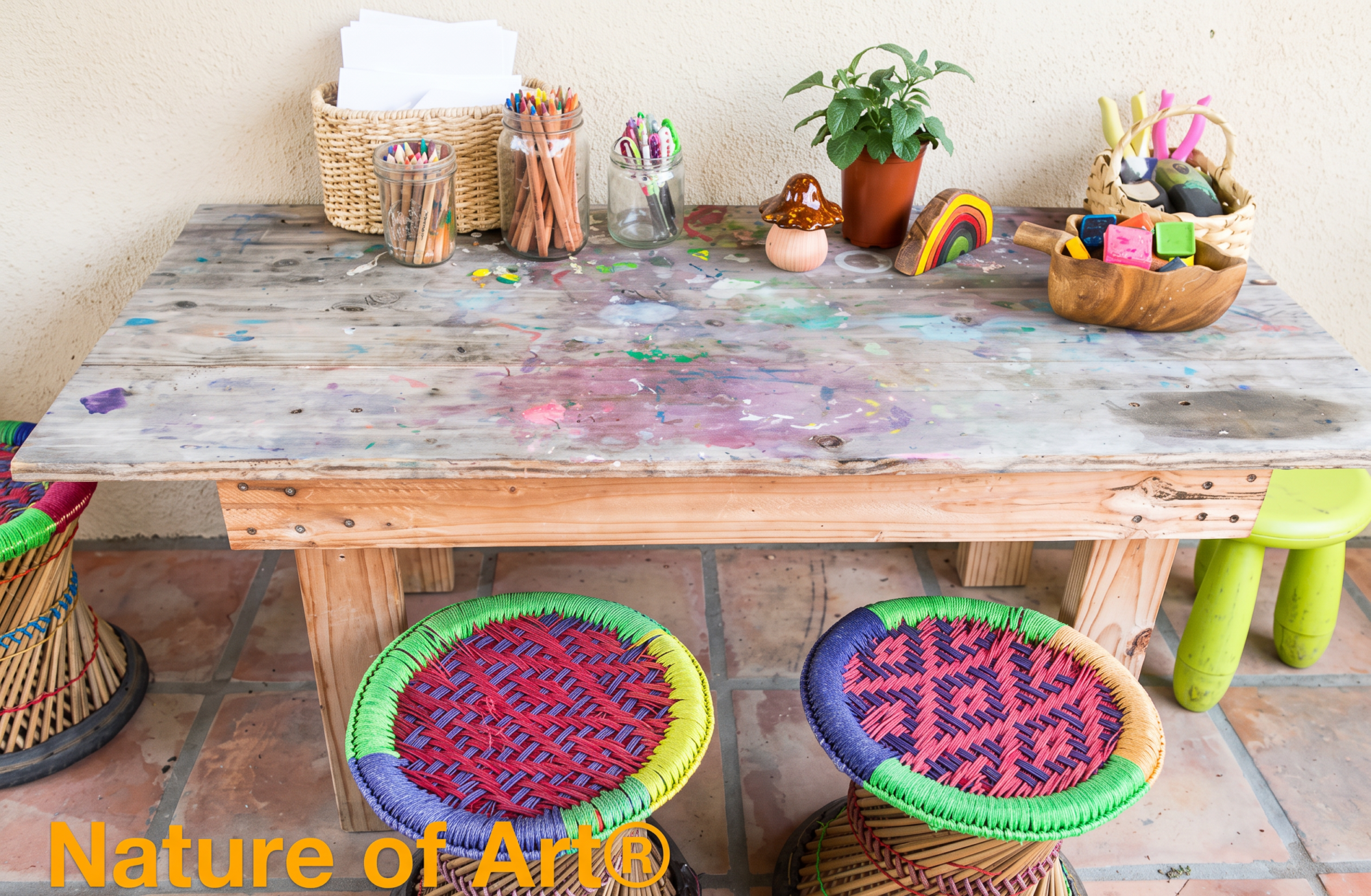


With so many art ideas circulating online, it can feel overwhelming to decide which Montessori art activities truly support Big Bang lessons. Between Pinterest boards, blogs, and books, the options seem endless, and your time as a teacher is valuable.
If you’ve ever found yourself scrolling for inspiration and wondering where to begin, you’re not alone.

Common Questions Teachers Ask
When choosing art activities to connect with Big Bang lessons, teachers often pause to consider:
- Will this activity hold my students’ interest?
- Is it appropriate for the age group I’m teaching?
- Do I already have the materials needed?
- How do I stop searching and confidently choose something that works?
These are thoughtful questions, and they matter. Art experiences are most effective when they feel purposeful, manageable, and engaging.

Supporting Big Ideas Through Art
Art can be a meaningful way to support the Great Lessons already happening in your classroom. When thoughtfully paired with big concepts like the coming of the universe, art gives students a way to explore ideas that are otherwise abstract.
Creative work allows students to interpret what they are learning in a personal and imaginative way. Art activities encourage independence, focus, and exploration, while still supporting the larger themes being discussed.
There are many different art mediums that can help students reflect on vast ideas such as space, movement, light, and transformation. These experiences invite curiosity and creative thinking without requiring students to arrive at a single “correct” result.

Why Big Bang–Inspired Art Works So Well
Art activities connected to the Big Bang are especially engaging because they invite imagination while still feeling grounded. Students can explore ideas like energy, motion, and change in a hands-on way.
When children paint, draw, or build in response to these concepts, they begin to visualize ideas that are otherwise difficult to grasp. Art gives form to thought. It also allows students to process learning through sensory and tactile experiences, offering a different entry point than listening or reading alone.
Combining art with science-based themes encourages deeper thinking and supports multiple ways of learning. These experiences can help students make connections across subjects while staying engaged and curious.

Finding Visual Inspiration Within the Great Lessons
One of the easiest places to find art inspiration is within the materials you’re already using. Books and storytelling elements from the Great Lessons often include rich visual language, such as color, movement, pattern, and contrast.
Images that show swirling motion, expanding space, or shifts in light can spark ideas for creative exploration. Simply observing and discussing these visuals can naturally lead students into art-making without needing elaborate preparation.

A Helpful Starting Point
To make planning easier, I’ve gathered a short list of Big Bang–inspired art ideas that work well across different age groups. These ideas are flexible and can be adapted based on the needs and interests of your students.
You can download my 5 Montessori Big Bang Art Activities Idea List to use as a reference when planning art experiences that complement your Great Lessons.

Final Thoughts
Art doesn’t need to feel complicated to be meaningful. When paired thoughtfully with Big Bang lessons, creative experiences can support imagination, independence, and deeper understanding.
Choose activities that feel manageable, inspiring, and aligned with what your students are already exploring. Trust that art can support big ideas in simple, powerful ways.

About the Instructor
Spramani Elaun is an international art trainer, professional artist, and the author of 10 books on early childhood visual arts education. Over the past two decades, she has developed the Science Art Method™ and certified thousands of Montessori educators, school teachers, and independent guides globally, empowering them to deliver structured, joyful art programs with total developmental clarity.


All rights reserved © 2026, Nature of Art®
Nature of Art® provides art pedagogy
This website and its blogs supports individual educators in teaching children visual arts. It does not authorize professional development, staff training, or adaptation of the Science Art Method™ for institutional use.
No part of this blog may be used or be reproduced in any manner whatsoever including reproducing, publishing, performing, and making any adaptions of the work – including translation into another foreign language without written permission except in the case of brief quotations embodied in critical articles and reviews.
Nature of Art® Publishing P.O. Box 443 Solana Beach, California 92075.