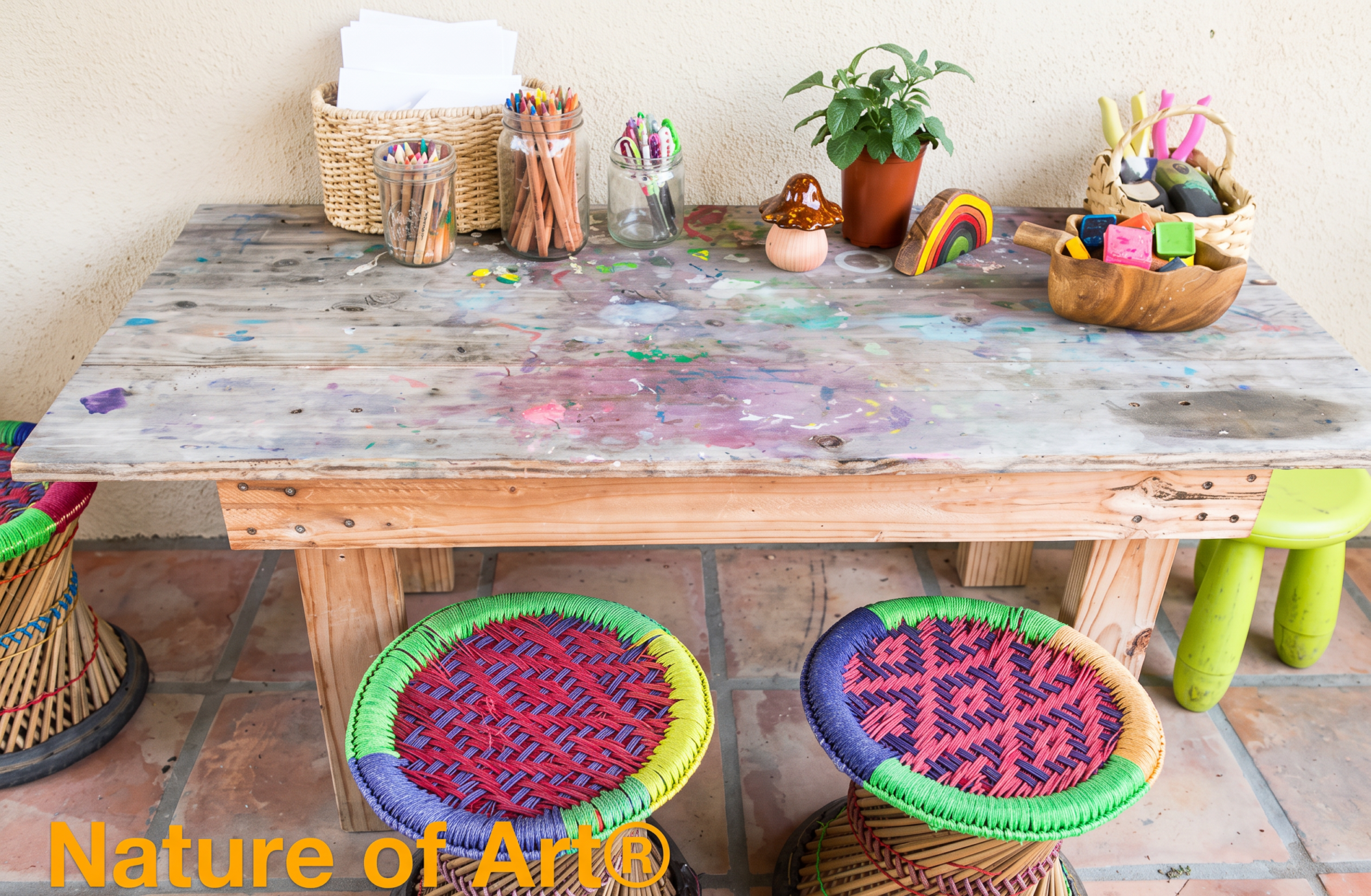


What Fine Motor Art Activities Are
Fine motor art activities help children strengthen the small muscles in their hands and fingers through creative making. Over many years of observing how children learn art, I have seen how simple art actions naturally build control, coordination, and confidence. When children squeeze clay, hold a brush, or carefully cut paper, they are doing far more than making art. They are developing essential skills they use every day. Art becomes both expressive and practical at the same time.

Why Fine Motor Skills Matter for Children
fine motor development plays an important role in a child’s daily life, both at home and in learning environments. These skills allow children to press, pull, twist, and grip with control. As a result, children can dress themselves, tie shoes, eat independently, and play safely. In creative spaces, these same skills support holding drawing tools, using scissors safely, opening containers, and working with materials like glue or paint with confidence. Strong fine motor control helps children feel capable and independent.

Why Many Children Need More Fine Motor Practice
Over the years, more children have arrived at creative activities with limited hand strength or coordination. Many adults notice that children struggle with tasks that require careful finger control. When these skills are underdeveloped, children may feel frustrated or hesitant to work independently. This can also lead to unnecessary mess or difficulty handling materials safely. Art experiences can help gently address these challenges in a positive way.
How Art Helps Strengthen Fine Motor Control
Art naturally encourages repetition, focus, and intentional movement. When children have regular opportunities to make art, they practice small movements again and again. These repeated actions help build strength and muscle memory over time. Without enough chances to explore these movements, children may struggle to gain confidence. Art offers a supportive and enjoyable way to practice without pressure.

Where to Begin With Fine Motor Art Activities
When introducing fine motor art activities, it helps to start with simple, sensory -rich materials. These experiences allow children to focus on movement rather than outcome. Gradually, confidence grows as children become familiar with the materials.
Common starting points include:
- Clay modeling and gentle shaping
- Slow paintbrush movements
- Sensory painting with controlled strokes
- Safe cutting activities using scissors
These activities encourage hand strength while keeping the experience calm and enjoyable.

Keeping Movements Simple and Focused
Fine motor development works best when children practice small, isolated movements. Starting with one or two simple actions allows children to concentrate fully. For example, kneading clay or forming a basic shape builds strength without overwhelm. Similarly, repeating a single brushstroke helps children gain control and confidence. Over time, these simple movements support smoother, more intentional art-making.

How Repetition Builds Confidence
Repeating the same movement helps children develop what feels automatic over time. This kind of learning allows children to focus without overthinking each action. As strength and coordination improve, children feel more capable and relaxed. Confidence grows naturally through practice. Art provides the perfect space for this kind of growth.
Taking Fine Motor Art One Step Further
There are many creative art movements that can support fine motor development across different ages. These movements strengthen hand-eye coordination and refine small muscle control. When used regularly, they support confidence and independence in art and beyond. The key is keeping experiences simple, flexible, and enjoyable.
For deeper guidance and creative structure, explore my books, art teaching curriculum, and professional training resources.
About the Instructor
Spramani Elaun is an international art trainer, professional artist, and the author of 10 books on early childhood visual arts education. Over the past two decades, she has developed the Science Art Method™ and certified thousands of Montessori educators, school teachers, and independent guides globally, empowering them to deliver structured, joyful art programs with total developmental clarity.


All rights reserved © 2026, Nature of Art®
Nature of Art® provides art pedagogy
This website and its blogs supports individual educators in teaching children visual arts. It does not authorize professional development, staff training, or adaptation of the Science Art Method™ for institutional use.
No part of this blog may be used or be reproduced in any manner whatsoever including reproducing, publishing, performing, and making any adaptions of the work – including translation into another foreign language without written permission except in the case of brief quotations embodied in critical articles and reviews.
Nature of Art® Publishing P.O. Box 443 Solana Beach, California 92075.
About The Author
